Learn Figma, UX and AI design tools from scratch. Finish with a portfolio that gets you hired.
Pick the path that fits how you learn. Full details on each course page.
No. AI replaces designers who do not use it. AI can generate a screen, but it cannot decide what a user actually needs or why.
This course teaches you to direct AI, not compete with it.
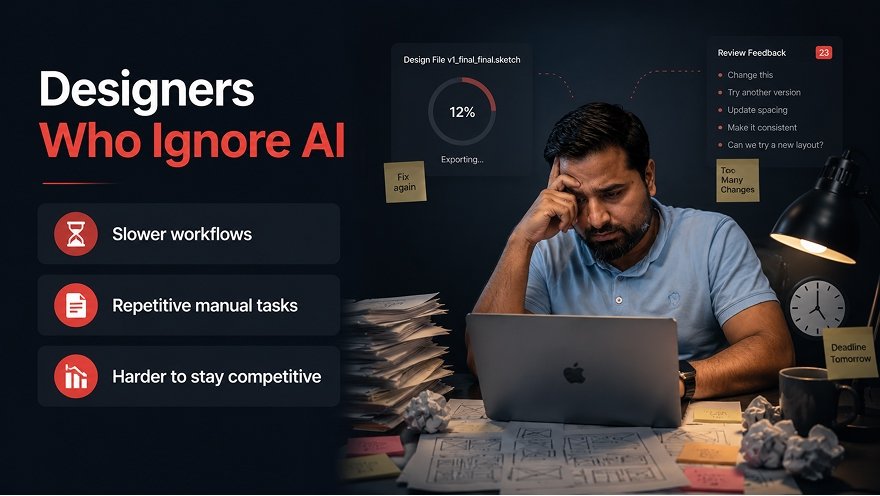
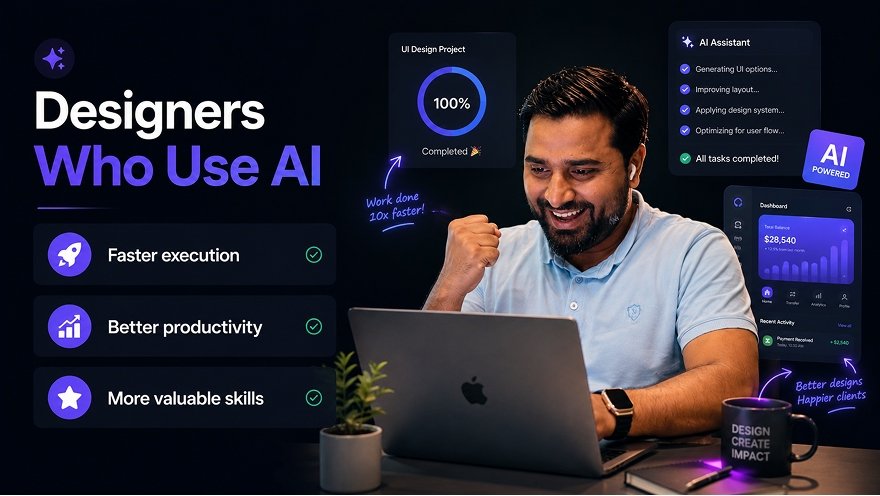
Creativity, judgement and empathy stay at the centre of good product design.
The same is true for graphic designers. AI takes the repetitive work, not the thinking.
Free videos teach tools. This makes you hireable.
You use Figma AI and current AI design tools inside real projects from the very first module, not in a bonus lesson added at the end. You learn to research faster, explore layouts quicker and hand off cleaner work, the way design teams are actually working right now. By the time you finish you can direct AI instead of competing with it.
Every lesson is taught in clear Urdu and Hindi, so you never lose an idea in translation. English design terms like auto layout, wireframe and design system are kept exactly as they are, because that is the vocabulary every studio and client uses. You understand the concept in your own language and still speak the industry language fluently.

You submit your work and a working designer reviews it, tells you what to fix and explains why it matters. That feedback loop is the part no free playlist can give you, and it is usually what separates a portfolio that gets replies from one that gets ignored. Live students also get their work looked at every week inside the class.
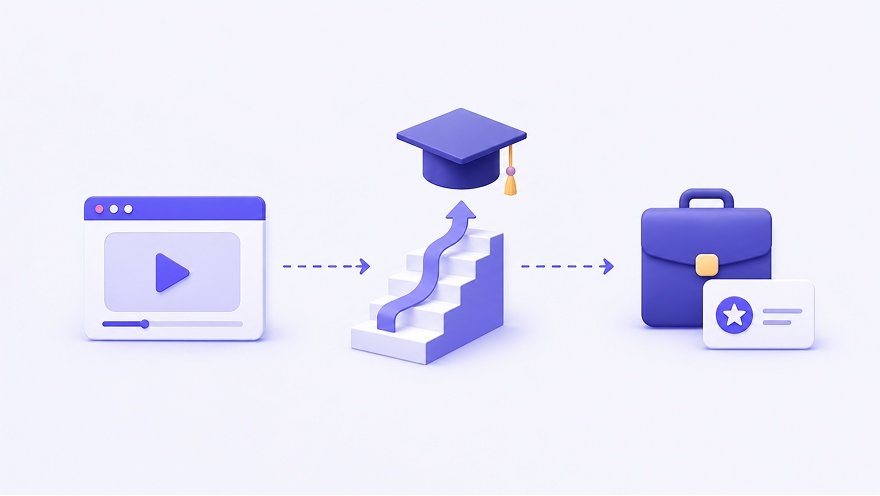
The modules run in a deliberate order, from your first wireframe through UI design, design systems, prototyping and finally a finished portfolio. Nothing is skipped and nothing is out of sequence, so you always know exactly what to learn next. Most students studying 10 to 12 hours a week are portfolio ready in 3 to 4 months.
Two fair comparisons. Free videos sit next to the recorded course, and a local institute sits next to live classes, so you can see exactly what the fee buys you.
| Free YouTube | Recorded CourseDesigns Deal | |
|---|---|---|
| Fee | Free | PKR 4,000 |
| Structure | ✕ Random playlists | ✓ Ordered path, 175+ lessons |
| When you learn | Anytime | ✓ Anytime, 1 year access |
| Feedback on your work | ✕ None | ✓ Yes, work reviewed |
| AI in the workflow | ✕ Rare | ✓ From lesson one |
| Portfolio projects | ✕ No | ✓ Yes |
| Certificate | ✕ No | ✓ Yes |
| Local institute | Live Online ClassesDesigns Deal | |
|---|---|---|
| Fee | PKR 20,000 to 40,000 | PKR 20,000 |
| Structure | ✓ Fixed timetable | ✓ Weekly schedule |
| When you learn | ✕ Fixed times, daily travel | ✓ Live sessions, no travel |
| Feedback on your work | Sometimes | ✓ Yes, every week |
| AI in the workflow | ✕ Rare | ✓ From lesson one |
| Portfolio projects | Sometimes | ✓ Yes |
| Certificate | ✓ Yes | ✓ Yes |
Real words from students who took the course, pulled live from our learning platform.
Recommend
Highly Recommend
this course is so beneficial like begginer to pro level...thnk you Ali sir i want to stay with you forever.😊
Perfect
I like this course.
Learn a lot of new thing in UI UX Design.
Built for beginners who have never opened Figma.
UX principles and design thinking before you open Figma.
See full projects built from brief to final handoff.
Apply each concept in guided Figma exercises.
Turn practice work into projects you can show.
Get your work reviewed when you are stuck.
Move forward with real skills and proof of work.
Study 10 to 12 hours a week and you are portfolio ready in 3 to 4 months.
No design experience required.
Understand how digital products are designed.
Apply concepts through guided projects.
Create projects you can confidently showcase.
Learn how to present your work and stand out.
Move forward with skills, confidence, and proof of work.
Your future starts with the skills you build today.
The skills modern UI UX designers actually use.
Auto layout, components, variants and variables, used the way product teams use them.
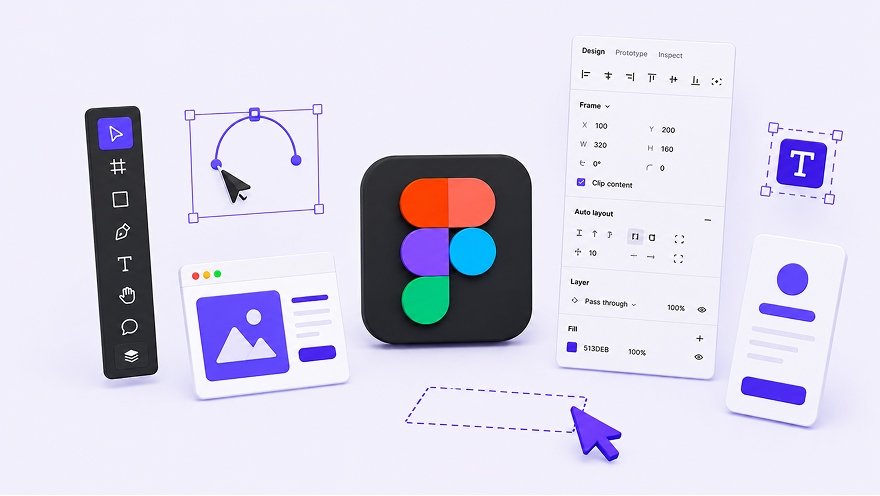
Interview users and turn what they say into design decisions.

Structure a product before you touch visual design.
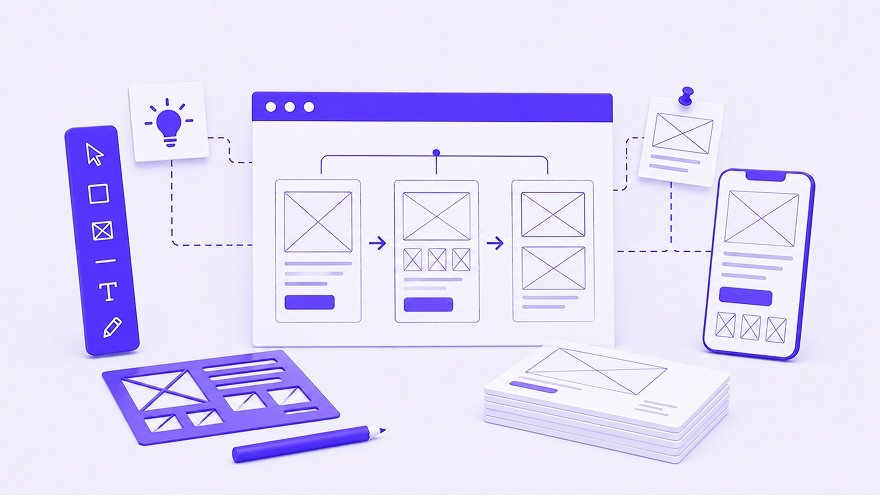
Control colour, type, spacing and hierarchy with intent.
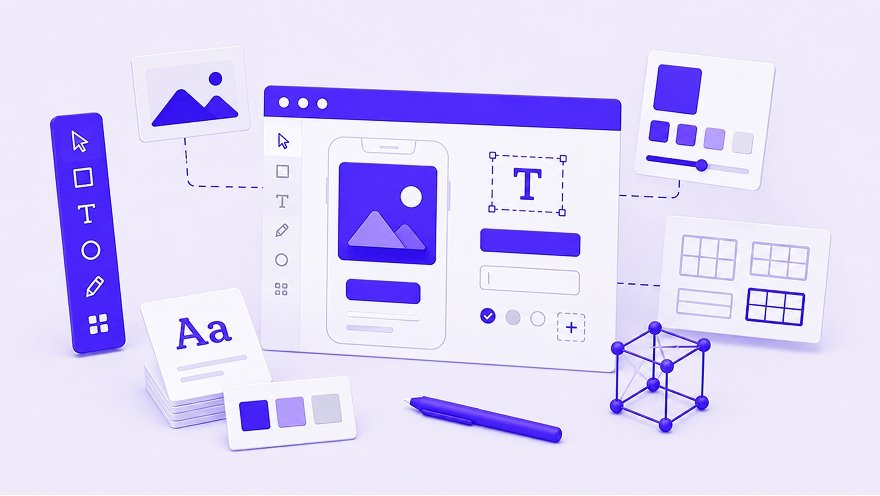
Solve real user problems, not just decorate screens.
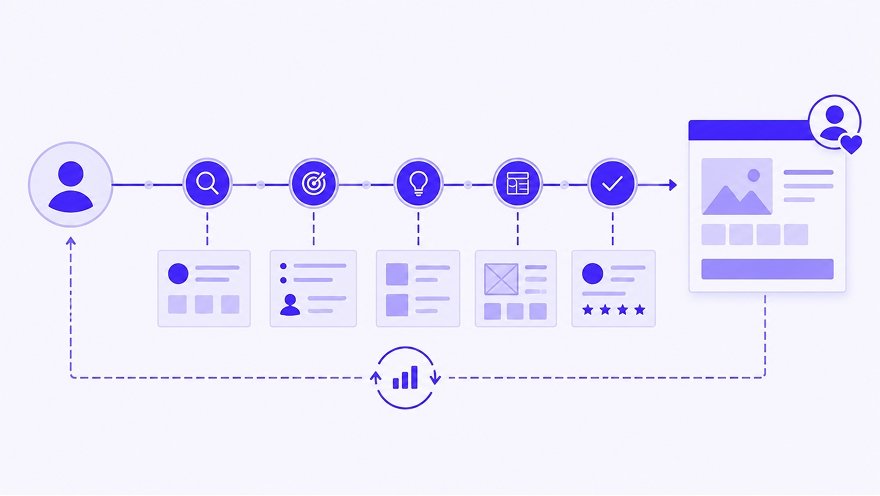
Build components that stay consistent as a product grows.
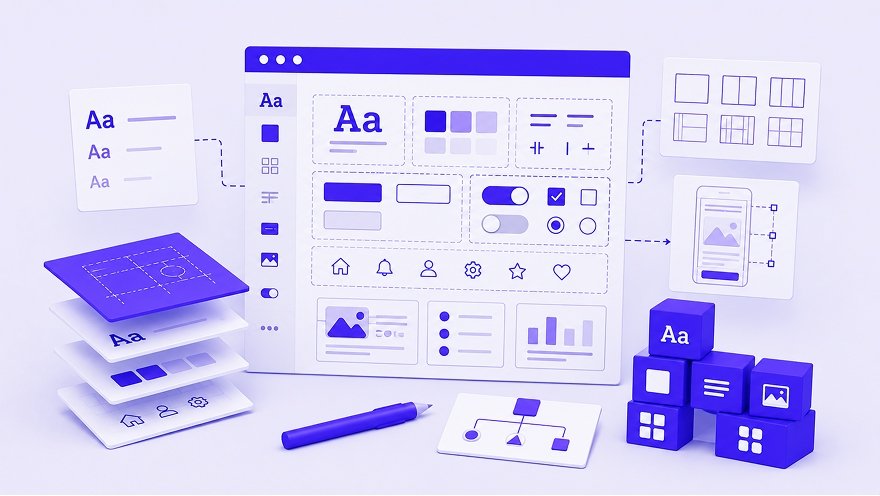
Use Figma AI for research, copy and layout exploration.
Add interaction and motion so ideas feel real.
Present projects as case studies employers take seriously.
Every skill is learned through practical application, not just theory.
Where these skills can take you.
You design the screens people actually touch, controlling layout, colour, type and spacing. Most UI designers sit inside a product team or agency, turning wireframes into finished, developer ready interfaces.
PKR 40,000 to 120,000 a month
You work out what a product should do before anyone draws a single screen. Research, user flows and testing sit at the centre of the role, and your decisions shape how the whole product feels to use.
PKR 50,000 to 150,000 a month
You own the problem from research and strategy right through to the finished interface. This is where UI and UX stop being separate jobs, and it is the most common senior path inside Pakistani startups.
PKR 120,000 to 250,000 a month
You work directly with clients anywhere in the world and bill in foreign currency from home. What you earn depends on your portfolio and how well you present your work, which is exactly what the final module prepares you for.
$15 to $40 an hour
You advise businesses on what to build and why, usually on short paid engagements. This route opens up once you have a few strong case studies and a track record you can point to.
Project based
You run interviews, usability tests and surveys, then turn what you find into decisions the team can act on. Companies with larger product teams hire for this role on its own.
PKR 60,000 to 160,000 a month
Ranges from public salary data for Pakistan. What you earn depends on your portfolio and whether you work locally or with international clients.iWhere these numbers come fromPayScaleUX/UI Designer Salary in PakistanGlassdoorUI UX Designer salaries, Karachi and LahoreIndeed PakistanUser Interface Designer salariesERI SalaryExpertUX Designer Salary in Pakistan

Senior UI UX Designer · 12+ Years of Experience
I am a Senior UI UX Designer with over 12 years of experience building digital products across SaaS, FinTech, Healthcare, Artificial Intelligence, Education and E commerce. I have worked with early stage startups and global organisations, designing interfaces that solve real business problems rather than just looking good in a portfolio shot.
Alongside client work I have been teaching designers across Pakistan and India since 2018. In that time I have taught thousands of students, and many of them have gone on to land their first design job or their first paying freelance client. Teaching in Urdu and Hindi is a deliberate choice, because the concepts are hard enough without a language barrier on top.
This course puts all of that experience into a single ordered path, from your very first Figma project to a portfolio you are genuinely proud to show. Whether you are starting from zero or sharpening skills you already have, my goal is to get you job ready with the confidence to back it up.
Whether you prefer learning at your own pace or joining a live cohort, choose the path that fits your goals.
Everything you need before you enrol.
Because AI cannot decide what to build or why. It generates screens, it does not understand users, business goals or trade offs. Those decisions are the job, and they are the part that pays.
No. AI replaces designers who do not use AI. Judgement, strategy and empathy still decide whether a product works, and this course teaches you to direct AI rather than compete with it.
Because Figma is where the work actually happens. AI can give you a starting point, but you structure, refine and hand off in Figma. Every UI UX job in Pakistan still asks for it.
No. AI tools make a designer faster. Without fundamentals you cannot tell whether what AI produced is any good, and clients notice that immediately.
Yes. AI is part of the course from lesson one, not a bonus module at the end. You learn Figma AI and the AI tools working designers use for research, copy and layout exploration.
No. Most students start at zero. UI UX design is about structure, logic and empathy far more than drawing.
You need a laptop or desktop to use Figma properly. You can watch lessons on a phone, but the practical work needs a computer.
Urdu/Hindi, with English design terms kept as they are so you can work comfortably with any team or client.
No. The teaching is in Urdu/Hindi. You will pick up standard English design vocabulary as you go, because that is what the industry uses everywhere.
Figma, from the basics through to prototyping and design systems, plus Figma AI and the AI design tools that sit alongside it.
The recorded course is PKR 4,000 as a one time payment. Live classes are PKR 20,000 as a one time fee. Most institutes in Karachi and Lahore charge PKR 20,000 to 40,000 for something similar.
175+ video lessons, and new lessons are added regularly as tools and AI features change. Your access covers everything added during your year, at no extra cost.
1 year from the day you enrol. In that year you can watch every lesson as many times as you want.
No. The recorded course is a digital product and access is granted immediately after payment, so fees are non refundable. Message us on WhatsApp before enrolling if you have any doubt.
The recorded course lets you learn at your own time for a year. Live classes run on a weekly schedule with direct guidance from the instructor and weekly feedback on your work.
Choose recorded if you have a job or studies and need to control your timing. Choose live if you want a fixed schedule and answers inside the session.
Students studying 10 to 12 hours a week are portfolio ready in 3 to 4 months. The recorded course has no deadline inside your year of access.
Around 10 to 12 hours. Less and progress feels slow, more and you stop absorbing what you practise.
Yes. You finish with complete case studies, including mobile app and web projects, rather than loose screenshots.
Your work gets reviewed and your questions get answered. Live students also get weekly feedback inside the class.
Yes, on completion. You can add it to your CV and your LinkedIn profile.
The course prepares you for both. You learn to build a portfolio employers take seriously, present your work and price yourself. Placement is not guaranteed, the portfolio is what gets you hired.
Yes. Both courses are fully online, so students anywhere in Pakistan learn the same way with no travel.
Yes. Startups, agencies and international clients all hire UI UX designers, and remote work means you can earn in foreign currency from home. Demand is strongest for designers who can show real work.
Junior designers typically start around PKR 30,000 to 60,000 a month, and experienced UI UX designers earn PKR 60,000 to 120,000. Freelancers working with international clients often earn more.
Free videos teach tools in a random order. This gives you an ordered path, review of your own work, and portfolio projects. You are paying for sequence and feedback, not information.
Message us and we will help you pick the right learning path.
